
Technical
Toyota Water Engine: What Forklift Owners Need to Know
Toyota water engine rumors explained for forklift owners. Learn the truth about hydrogen combustion and water cooling, plus cooling parts for Toyota trucks.
The phrase toyota water engine has been circulating online with claims that Toyota has built an engine that runs on water alone. That is not accurate. What actually exists is hydrogen combustion technology, and separately, water-cooled engine systems. For forklift owners, the practical takeaway is simpler: your Toyota truck still relies on a conventional cooling circuit, and the parts that keep it running — hoses, overflow tanks, seals and filters — are the ones that matter in daily operation.
This article separates the myth from the engineering, then explains how the cooling and engine parts on your Toyota forklift actually work, and what to inspect before a failure stops your shift.
What the Toyota water engine rumor actually refers to
Toyota's public position is clear: the company is not developing a water-powered engine. The confusion traces back to two real technologies that got mixed together in viral posts.
The first is hydrogen combustion. Toyota has developed engines that burn hydrogen as fuel, and the exhaust is primarily water vapor. Hydrogen is not extracted from water on board in a way that makes the vehicle self-sufficient; it is stored and supplied as a fuel. The second is a water-cooled hydrogen engine, where water circulates as a coolant — exactly as it does in the diesel and gasoline engines used in industrial equipment. Water cools the engine; it does not fuel it.
When those two ideas are compressed into a headline, you get the "water engine" myth. For a forklift fleet, none of this changes the maintenance reality: internal combustion trucks still need a sealed, correctly pressurized cooling system.
Why the cooling system is the real story for forklift engines
A forklift engine runs under load cycles that are harder on cooling than a road vehicle. It idles, lifts, travels short distances and repeats — often in dusty warehouses or hot yards. Heat soak is constant, and any weak point in the cooling circuit will show up as overheating, coolant loss or a cracked component.
The components that fail most often are not exotic. They are the same parts BJT supplies every day for Toyota and other major truck brands:
- Upper and lower water hoses — the first to harden, swell or weep at the clamps.
- Radiator overflow tank — cracks at the neck or seam cause slow coolant loss that is easy to miss.
- U-shape seal rings — sealing points that flatten with heat cycles and start seeping.
- Breather cap — a tired cap stops holding pressure and lowers the boiling point of the coolant.
- Air and oil filters — restricted airflow and dirty oil both raise operating temperature.
None of these are glamorous, but together they decide whether a truck finishes the shift or gets parked.
Cooling and engine parts BJT supplies for Toyota trucks
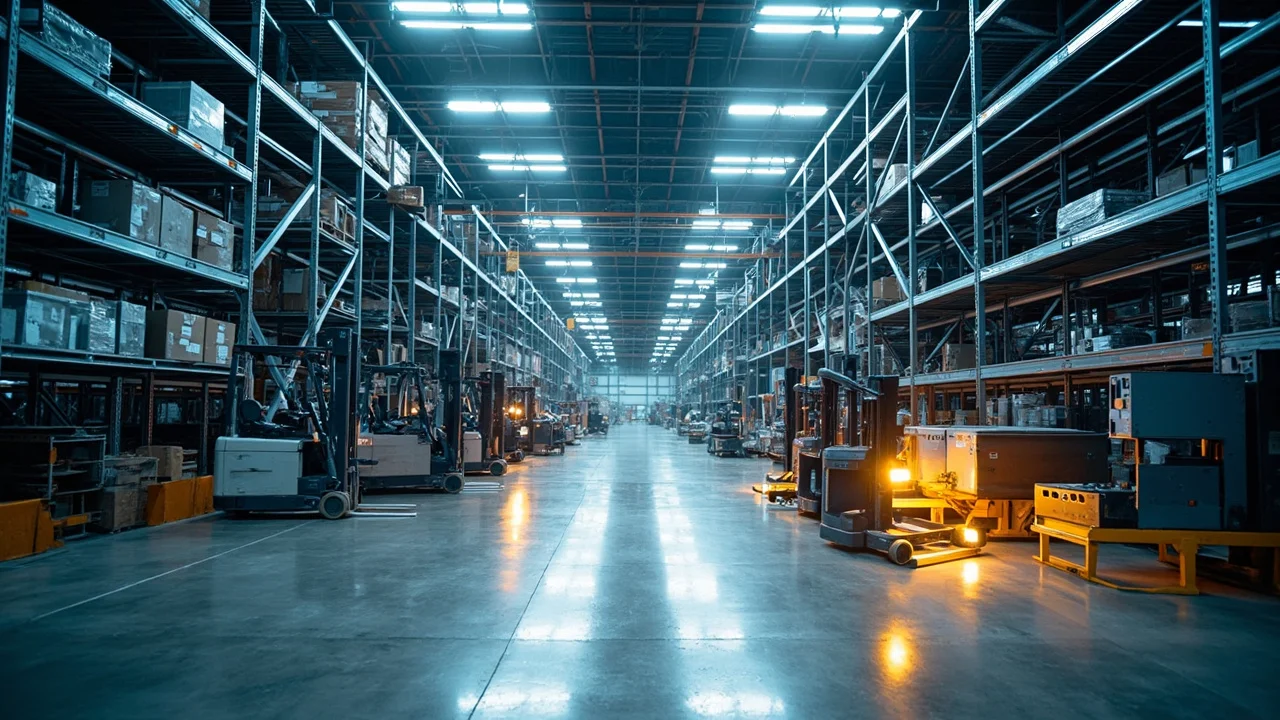
BJT Forklift Parts stocks aftermarket engine and cooling components for Toyota, Linde, Nissan, Clark, Doosan, Mitsubishi, Hyundai, HELI, Hyster, Yale, Komatsu and TCM trucks. The catalog covers more than 150,000 SKUs, and the engine parts range is built around the parts that actually wear out.
| Part | Reference number | Function |
|---|---|---|
| Radiator Overflow Tank | 0009820811 / 0009820841 | Captures expanding coolant and returns it to the radiator |
| Upper Water Hose | Listed under Engine Parts | Carries hot coolant from engine to radiator |
| Lower Water Hose | Listed under Engine Parts | Returns cooled coolant to the engine |
| Breather Cap | 0009832109 | Maintains system pressure and vents excess |
| U-Shape Seal Ring | 0009621940 / 0009621921 / 0009621984 | Seals coolant and fluid joints against leakage |
| Air Filter | 0009839002-O-350 / 0009839022 | Protects combustion air quality and airflow |
| Inner Air Filter Element | 0009839017 | Secondary filtration for dusty environments |
| Oil Suction Filter Element | 0029839002 | Keeps lubrication oil clean |
If a number you need is not listed here, the catalog can be searched directly. Use Search the BJT parts catalog to match by reference number, or browse Parts categories to see the full engine, cooling and hydraulic ranges.
How to match the right cooling part
Forklift cooling systems are matched by engine family and chassis, not by brand name alone. Two Toyota trucks of similar capacity can use different hose routing depending on the engine and mast configuration. The reliable method is to work from the reference number stamped on the original part, then confirm the hose diameter, length and clamp position against the replacement.
For mixed fleets, this matters even more. A single warehouse may run Toyota, Doosan and HELI trucks side by side, each with its own cooling layout. Keeping reference numbers on file prevents the wrong hose from being fitted during a breakdown.
Maintenance checks that prevent overheating downtime
Most overheating events give warning signs before they become failures. A short inspection routine during scheduled service catches them early.
- Check coolant level cold. A dropping level with no visible puddle usually points to the overflow tank or a weeping hose.
- Squeeze the hoses. They should feel firm but flexible. Hard, cracked or spongy hoses should be replaced before they split.
- Inspect the overflow tank. Look for hairline cracks at the neck, cap seat and mounting points.
- Test the breather cap. A cap that no longer holds pressure lets coolant boil off at lower temperatures.
- Replace air and oil filters on schedule. Restricted airflow and contaminated oil both add heat load.
- Check seals and joints. U-shape seal rings and flange seals harden over time and should be renewed whenever a joint is opened.
For fleets that need help identifying the correct part or planning a rebuild, BJT technical support can assist with reference-number matching and interchange guidance.
Hydrogen, water cooling and what comes next for forklifts
It is reasonable to ask whether hydrogen or water-cooled engine technology will reach the forklift market. Electric trucks already dominate indoor warehousing, and hydrogen fuel-cell units exist in some heavy-duty applications. But the installed base of internal combustion forklifts — diesel, LPG and gasoline — will remain in service for many years, especially in outdoor, high-capacity and rough-terrain roles.
That installed base needs parts. Cooling systems, filters, seals and engine components will continue to be replaced on a predictable schedule regardless of what happens in passenger-car powertrains. The practical strategy for a fleet manager is to keep a small stock of high-wear cooling parts on the shelf and to buy from a supplier who can match reference numbers accurately.
An engine that runs hot does not fail all at once. It fails at the weakest seal, hose or cap — usually mid-shift.
BJT Forklift Parts has supplied aftermarket forklift components for 20 years, shipping to more than 150 countries, with ISO and CE certified production. The engine parts range is designed around real wear patterns, not catalog padding.
FAQ: Toyota water engine and forklift cooling
Does Toyota make a water-powered engine?
No. Toyota has stated publicly that it is not developing a water-powered engine. The company does produce hydrogen combustion engines and water-cooled engines, but water is used as a coolant, not as fuel. Hydrogen is supplied as a fuel, and the exhaust from hydrogen combustion is primarily water vapor.
Why does my Toyota forklift lose coolant with no visible leak?
Slow coolant loss without a puddle is often caused by a cracked radiator overflow tank, a failing breather cap that no longer holds pressure, or a weeping hose end that evaporates before it drips. Check the overflow tank seams, the cap, and the upper and lower water hoses first.
Can I use aftermarket cooling parts on a Toyota forklift?
Yes, provided the part is matched correctly by reference number and dimensions. BJT supplies aftermarket upper and lower water hoses, radiator overflow tanks, breather caps and U-shape seal rings for Toyota and other major forklift brands. Always confirm the reference number against the original part before fitting.
Get the right cooling part before the next breakdown
Overheating downtime is almost always preventable. If your Toyota forklift is losing coolant, running hot or due for a cooling system refresh, send us the reference numbers and truck details. BJT Forklift Parts will match the correct hoses, overflow tank, seals and filters from stock and quote them quickly. Request a quote today, or check BJT news & guides for more maintenance guidance.