Buying Guide
Toyota Part Sourcing for Forklifts: The Complete B2B Guide
Source the right Toyota part for your forklift the first time. Cross-reference numbers, compare aftermarket options, and request a quote from BJT today.
Finding the correct Toyota part for a forklift is less about brand loyalty and more about identification discipline. A Toyota forklift may carry a Toyota-built mast and chassis, a Toyota engine, or an engine sourced from another manufacturer — and the part number stamped on the component is the only reliable way to order a replacement. This guide explains how to identify a Toyota part, how aftermarket equivalents are cross-referenced, and what to check before you buy from any Toyota forklift parts supplier.
BJT Forklift Parts (Xiamen BJT Forklift Parts Co., Ltd.) stocks more than 150,000 SKUs for Toyota and other major brands, with ISO/CE certification and 20 years of export experience to 150+ countries. Whether you need a single hydraulic filter element or a full brake assembly, the sourcing logic below applies.
How to Identify the Correct Toyota Part Before You Order
Every forklift has two plates that matter: the data plate (model and serial number) and the component plate or casting mark. Start with the data plate, then move to the failed component. Toyota forklift parts online catalogs are organized by model family, so an incorrect model code sends you to the wrong diagram immediately.
- Data plate: record the full model code and serial number — not just "Toyota 8FGCU25." Prefixes and suffixes change the parts list.
- Engine plate: Toyota forklifts use several engine families. The engine plate tells you which one, which determines filters, hoses, and seals.
- Cast or stamped number: on the failed part itself. This is the number to match, not the number a previous supplier wrote on the invoice.
- Photos: photograph the part from three angles with a scale reference. This resolves most ambiguity without a site visit.
If the casting number is worn or painted over, measure the critical dimensions — bore, stroke, thread pitch, hose diameter — and send those with the model code. A competent supplier can match from dimensions plus the model family.
Genuine vs. Aftermarket Toyota Forklift Parts
The genuine-versus-aftermarket decision is not a quality question in the abstract; it is a question about which specific component you are replacing. For high-wear consumables, aftermarket parts are the standard choice in fleet operations. For safety-critical or tightly toleranced assemblies, the calculus changes.
| Category | Typical aftermarket suitability | What to verify |
|---|---|---|
| Filters (air, diesel, hydraulic, oil suction) | High | Micron rating, bypass valve setting, housing thread |
| Seals, O-rings, hoses | High | Compound (NBR vs. Viton), pressure rating, temperature range |
| Brake components | Medium | Friction material spec, drum diameter, cylinder bore |
| Hydraulic pumps and valves | Medium | Displacement, mounting flange, port configuration |
| Electrical assemblies and harnesses | Medium | Connector type, pin count, voltage |
| Mast and attachment structural parts | Case by case | Load rating, weld procedure, certification |
Aftermarket Toyota forklift parts are not automatically inferior — they are a different supply chain. The risk is not the category; it is an unverified supplier who cannot trace a part back to a specification.
Cross-Referencing Toyota Part Numbers
Toyota part numbers follow a structured format, and the structure is useful. The prefix typically indicates the functional group — engine, transmission, hydraulic, brake, electrical, or mast. This is why a number beginning with a given sequence points you toward a category before you open a diagram.
When cross-referencing, work in this order:
- Confirm the original Toyota number from the component or an official diagram.
- Identify the functional group from the prefix.
- Match on form, fit, and function — not on number alone. Two numbers can look similar and fit different housings.
- Request a sample or dimensional drawing for high-value items before committing to a full order.
BJT publishes reference numbers alongside each listing so buyers can verify the match against their own records. For example, a hydraulic filter element assembly and an air filter may share a family resemblance but differ in micron rating and bypass behavior — the number is the tiebreaker.
Why "Toyota Crown Parts" Searches Land on Forklift Sites
Buyers searching for crown toyota parts online or toyota crown aftermarket parts are often looking for automotive components, not forklift components. Toyota Crown is a passenger car line; Toyota forklifts are a separate product family with separate part numbering. If you arrived here searching for toyota crown parts for sale, note that BJT supplies industrial forklift parts only. If you are a fleet buyer who also maintains Toyota forklifts, the identification method above still applies to your lift trucks.
Where to Buy Toyota Forklift Parts Online
A Toyota forklift parts dealer may be a local branch, a regional distributor, or an export-oriented supplier. Each has a different cost and lead-time profile. The right choice depends on whether you are buying one part for a breakdown or building a scheduled-maintenance stock.
- Local dealer: fastest for emergency breakdowns, highest unit cost, limited hours.
- Regional distributor: better pricing on volume, moderate lead time, may not stock slow-moving items.
- Export supplier: lowest unit cost at volume, requires accurate identification up front, lead time measured in days to weeks.
For fleets running mixed brands — Linde, Toyota, Nissan, Clark, Doosan, Mitsubishi, Hyundai, HELI, Hyster, Yale, Komatsu, TCM — consolidating with one export supplier reduces administrative overhead. You can search the BJT parts catalog by number or browse parts categories to see how the ranges are organized.
Common Toyota Forklift Part Groups and What Fails First
Across most Toyota forklift models, the same component groups account for the majority of unplanned downtime. Knowing which parts to stock is a maintenance-planning decision, not a purchasing one.
Engine and Cooling
Radiator overflow tanks, water hoses, breather caps, and pre-filters are consumable. A cracked overflow tank or a collapsed upper water hose will overheat an engine faster than any other single failure. Stock both hoses and the overflow tank for each engine family in your fleet.
Transmission and Drive
V-belts, universal joints, torque converter oil seals, and internal ring gears are the high-wear items. A leaking torque converter seal contaminates the clutch pack and turns a seal replacement into a transmission rebuild. Replace seals on schedule.
Hydraulic and Steering
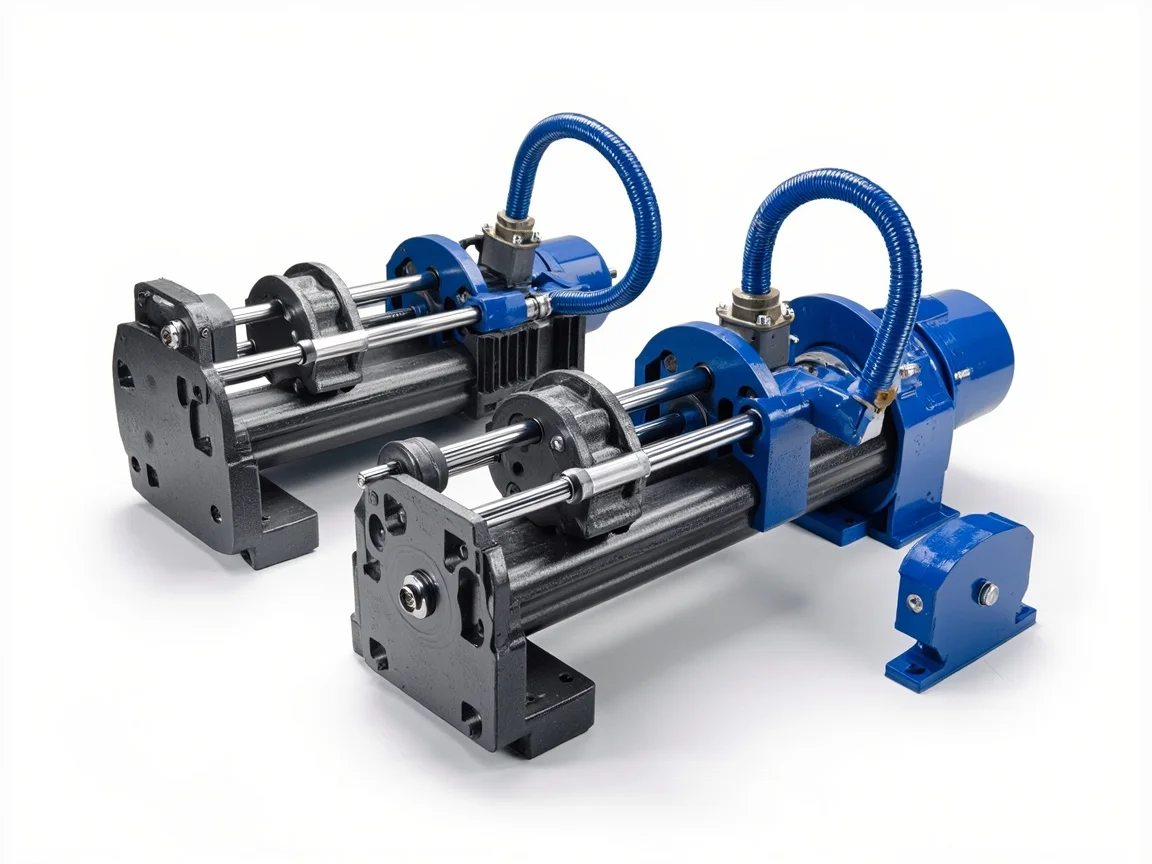
Hydraulic pumps, piston rod assemblies, O-rings, and center cylinder repair kits dominate. Steering cylinder seal kits and priority valves are common failure points on older trucks. Keep a seal kit for each steering cylinder variant you operate.
Brake and Electrical
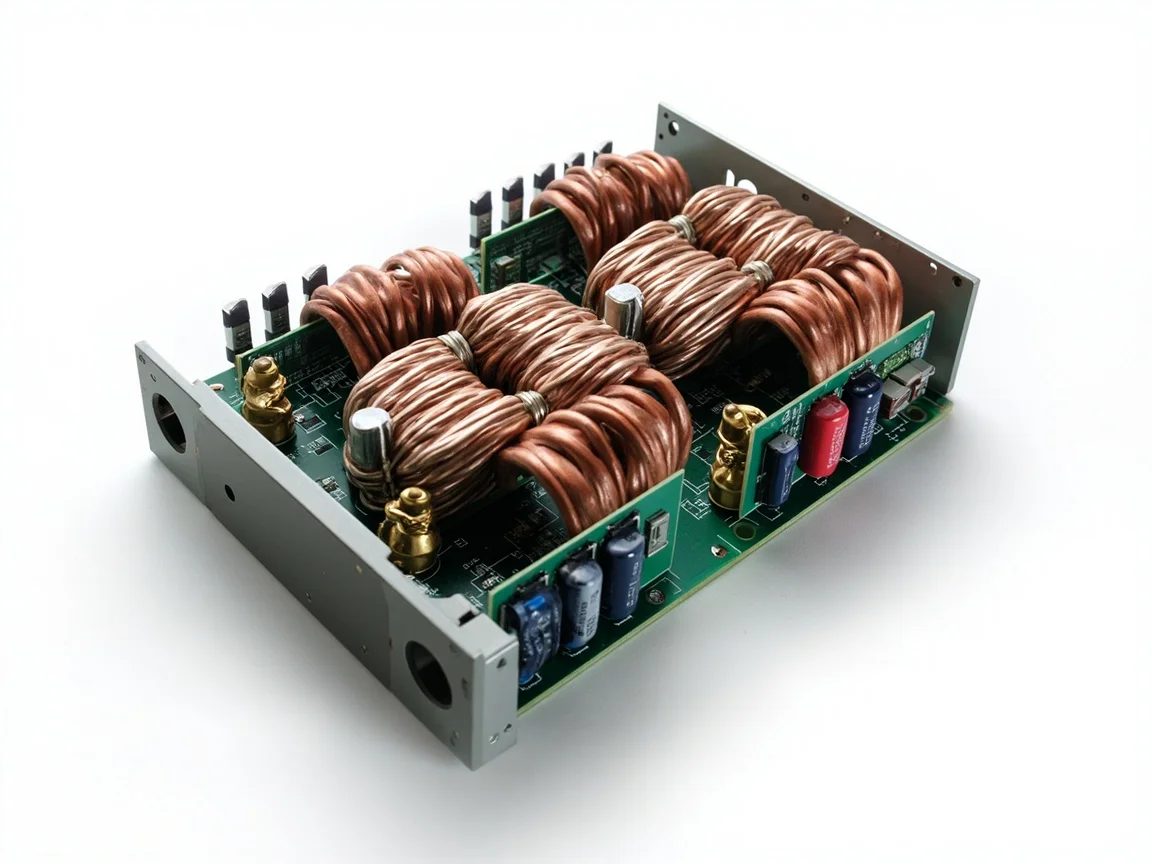
Brake pads, master cylinders, brake cables, ignition switch assemblies, and main harnesses. Electrical faults are often misdiagnosed as hydraulic faults; a failing ignition switch or a chafed main harness can mimic a transmission problem. Test electrical first.
Mast and Attachments
Side shift rollers, liners, sprockets, and chain rollers wear with load cycles. Special forks — spark-retardant brass-clad, stainless-steel-clad, and solid stainless-steel — are application-specific and should be specified by the operating environment, not by price alone.
FAQ: Sourcing Toyota Forklift Parts
How do I know if an aftermarket Toyota forklift part will fit?
Match on the original part number, then verify form, fit, and function against a dimensional drawing or sample. For filters and seals, confirm micron rating, compound, and pressure rating. For structural parts, confirm load rating and certification. If a supplier cannot provide this, treat the part as unverified.
Can I buy Toyota forklift parts online without a dealer account?
Yes. Many export suppliers, including BJT, accept direct inquiries from fleets, repair shops, and distributors. You will need the model code, serial number, and the original part number or clear photographs. Submit an RFQ with those details and you will receive a quotation with lead time.
What is the difference between Toyota forklift parts and Toyota Crown parts?
Toyota Crown is a passenger car line; Toyota forklifts are industrial lift trucks. The two use different part numbering systems and are not interchangeable. If you are searching for toyota crown aftermarket parts, you need an automotive supplier, not a forklift parts supplier.
Next Step: Get a Verified Quote
Accurate identification is the difference between a one-day repair and a two-week delay. Send BJT your Toyota forklift model code, serial number, and the original part number or photographs of the failed component. Our technical team will confirm the match, advise on aftermarket equivalents where appropriate, and quote with lead time. For complex or safety-critical items, BJT technical support can review the application before you commit. Start with the parts catalog or go straight to request a quote. For background on how we handle cross-brand sourcing, see BJT news & guides.