Buying Guide
Container Forklift Truck: The Complete Parts & Buying Guide
A container forklift truck needs the right spec and the right parts. Learn how to choose one and source engine, transmission, hydraulic and brake parts from BJT.
A container forklift truck is not simply a large forklift. It is a machine specified around the geometry and weight of ISO containers, and the difference matters whether you are buying a unit, renting one, or keeping an existing truck in service. This guide explains the two main families of container forklift truck, the specifications that decide whether a machine can actually enter a container, and the parts that take the most punishment in daily container handling. It is written for fleet managers, workshop supervisors and procurement teams who need practical answers rather than marketing claims.
What makes a forklift a container forklift truck?
The term covers two different machines that are often confused in tenders and rental enquiries.
Container-spec warehouse forklifts
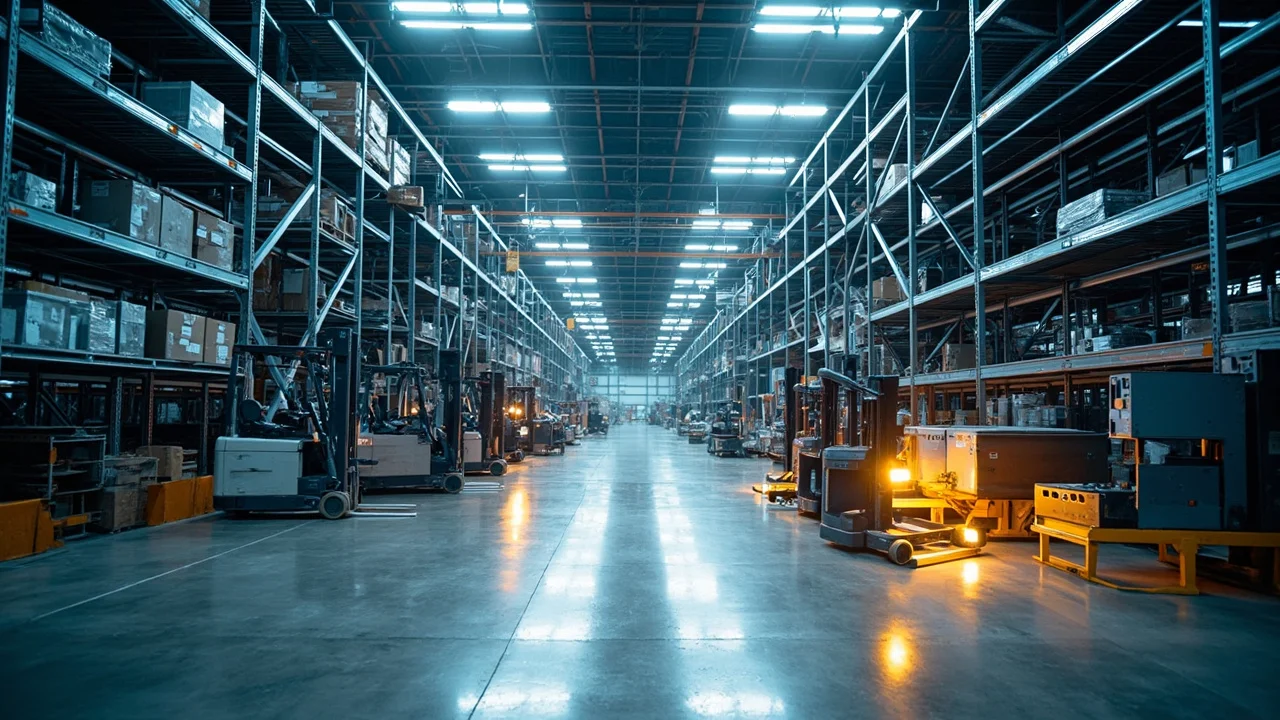
These are standard counterbalance trucks modified to drive inside a standard shipping container and pick a load from the floor or from a pallet. The critical dimensions are the lowered mast height, the overhead guard height and the free lift. A mast that is too tall will not clear the container door; a truck without enough free lift cannot raise its forks inside the container without the carriage hitting the roof. Container-spec trucks also typically use a lower-profile overhead guard and a shorter, narrower chassis to give the operator room to work.
Container handlers and reach stackers
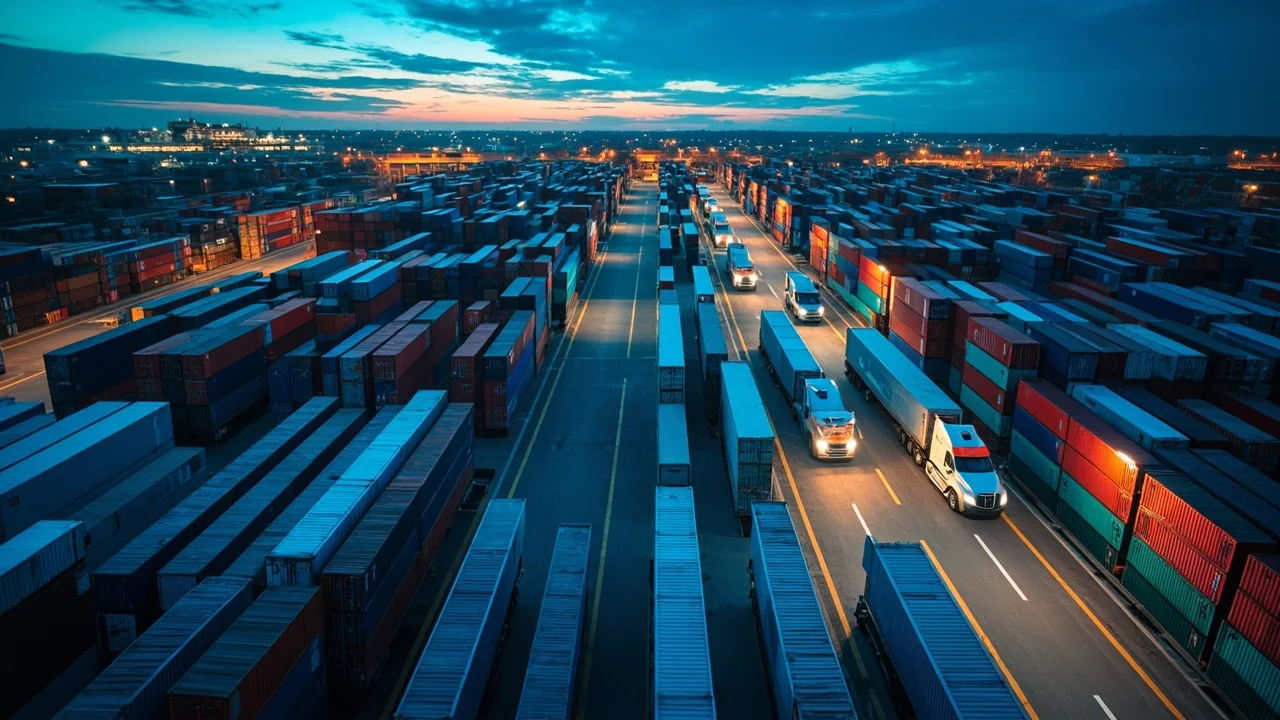
These are the heavy machines seen in ports and terminals. They lift a container by its corner castings using a spreader, not by the floor, and they stack containers several high. They are a different asset class from a warehouse forklift, with different drivetrains, different hydraulic systems and a different parts profile. When a supplier quotes a container forklift truck, confirm which family is being offered before comparing price.
Specifying a container forklift truck: the numbers that matter
Most specification errors come from comparing headline capacity instead of the dimensions that govern access. Use the checklist below before you shortlist a machine.
- Container door clearance. Measure the actual door opening of the containers you handle, not the nominal ISO dimension. Damaged or insulated containers reduce clearance.
- Overhead guard height. Must be lower than the door opening with a safety margin for suspension movement and floor unevenness.
- Free lift. The amount the forks can rise before the mast extends. This decides whether you can pick and place inside the container.
- Rated capacity at the load centre. Capacity drops as the load centre moves forward. A truck rated for a given load at a short load centre may be marginal with a long pallet.
- Turning radius and width. Inside a container there is no room to correct a poor approach; the chassis must suit the aisle and the door.
- Power source. Electric trucks are common for indoor container work because they produce no exhaust, but battery changing and charging infrastructure must be planned.
For heavy container handlers, the equivalent decisions are spreader type, stacking height, wheelbase and the load chart at the maximum outreach you actually use. Do not accept a capacity figure without the load chart that qualifies it.
Where container forklift trucks wear out first
Container work is hard on a truck because the operator is constantly making tight, low-speed manoeuvres under load. The wear pattern is predictable, and planning parts around it reduces downtime.
Mast and attachment
Side shift is used on almost every cycle, so side shift sliders, liners, rollers and bearings take continuous load. Mast chains, chain rollers and anchor pins wear faster than on general warehouse work. Special forks — including spark-retardant brass-clad forks, stainless-steel-clad forks and solid stainless-steel forks — are specified where the cargo or the environment demands it, and fork heel wear should be checked on a schedule.
Hydraulics
Hydraulic pumps, piston rod assemblies, seal kits, O-rings and filter elements are the routine consumables. Contamination is the main cause of premature pump failure, so filter element replacement intervals matter more than the brand of pump fitted.
Transmission and driveline
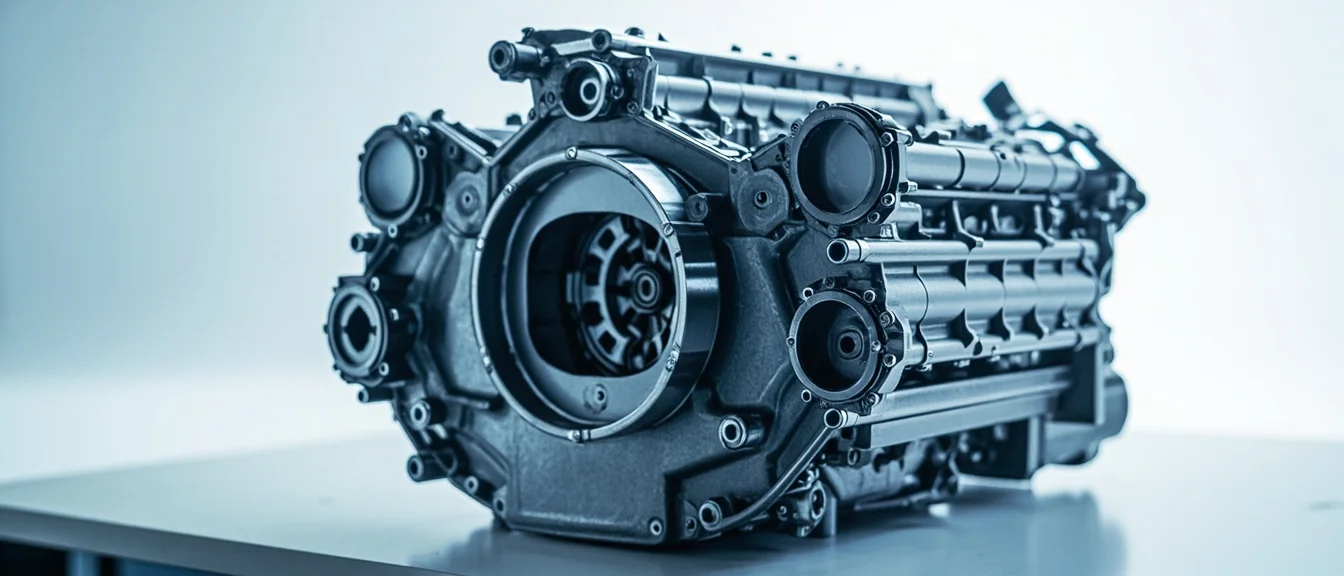
Repeated forward-reverse shuttling inside a container loads the transmission and torque converter. V-belts, torque converter oil seals, universal joints, drive shaft flanges and internal ring gears are the parts most often replaced on high-cycle trucks.
Brakes and electrical
Inching pedals and frequent stop-start work wear brake pads, brake drums, master cylinders and brake cables. On electric trucks, contactors, harnesses, ignition switch assemblies and lighting are the common electrical replacements.
Container forklift truck parts: a practical comparison
The table below groups the parts families most relevant to container work and notes what to check when ordering. Part numbers shown are examples from the BJT catalog and are given to illustrate the format of a correct enquiry, not as a recommendation for a specific truck.
| Parts family | Typical container-work wear points | Example BJT part numbers | What to confirm before ordering |
|---|---|---|---|
| Mast & attachment | Side shift sliders, rollers, liners, chain rollers, fork pins | Side Shift Slider 1864406000; Side Shift Roller 0009249485; Side Shift Liner BZ101030730C | Mast series, carriage type, side shift stroke |
| Hydraulic | Pump, piston rod assembly, seal kits, filter elements | Hydraulic Pump 0009812126; Piston Rod Assembly 3024902002; O-Ring 0009631232 | Pump displacement, mounting flange, seal material |
| Transmission | V-belts, torque converter seals, universal joints, ring gears | V-Belt 54022225016; Torque Converter Oil Seal; Universal Joint 0009341301 | Transmission model, belt section, joint size |
| Brake | Pads, drums, master cylinders, cables, pedals | Brake Pad 1135040302; Master Cylinder 12195101200; Brake Drum | Brake type, drum diameter, axle configuration |
| Electrical | Harnesses, ignition switches, handles, lighting | Main Harness; Ignition Switch Assembly With 2 Key 7915492622; LED Blue Light 0009740804 | Voltage, connector type, truck serial range |
| Engine & cooling | Hoses, breather caps, seals, overflow tanks | Upper Water Hose; Breather Cap 0009832109; Radiator Overflow Tank 0009820811 | Engine model, hose diameter, cap pressure |
| Special forks | Fork heel wear, coating damage, load retention | Spark-retardant brass-clad forks; stainless-steel-clad forks; solid stainless-steel forks | Load type, hygiene or spark requirement, fork length and section |
For trucks from Linde, Toyota, Nissan, Clark, Doosan, Mitsubishi, Hyundai, HELI, Hyster, Yale, Komatsu and TCM, the fastest route to the right part is a search on the OEM number. BJT holds more than 150,000 SKUs and can cross-reference against the truck serial number when the plate is legible. Use the BJT parts catalog search to check availability, or browse parts categories by system.
Buying used versus new: parts availability decides uptime
A used container forklift truck can be excellent value, but only if the parts to support it are obtainable. Before committing, check three things: whether the mast and attachment are a standard series, whether the transmission and hydraulic pump are still supported by aftermarket suppliers, and whether consumables such as filters, seals and brake pads are readily available. A machine with an unusual mast or a discontinued controller can sit idle for weeks waiting for a single component.
For new purchases, ask the supplier for the parts breakdown by system, not just the service schedule. A truck whose hydraulic and transmission parts are well covered in the aftermarket will have a lower total cost of ownership than one with a marginally lower purchase price and proprietary components.
If you are comparing quotes or building a spare-parts list for an existing fleet, BJT's technical support team can help identify the correct part from a photo, a serial number or a sample. Send the details through the RFQ form and include the truck model, serial number and the system involved.
Frequently asked questions
What is the difference between a container forklift truck and a container handler?
A container forklift truck usually refers to a counterbalance truck specified to drive inside a shipping container and handle palletised or floor-loaded cargo. A container handler lifts the container itself by its corner castings and stacks containers in yards and terminals. They use different attachments, different drivetrains and different parts.
Can any forklift be used inside a shipping container?
No. The truck must fit through the container door with its overhead guard, and it needs enough free lift to raise the forks without the carriage contacting the roof. Standard warehouse trucks are often too tall. Container-spec machines are built with lower profiles and appropriate free lift.
How do I identify the right replacement part for my container forklift truck?
Start with the OEM part number from the parts book or the plate on the failed component. If that is not available, record the truck make, model and serial number, the system involved and the position of the part. A clear photograph with a scale reference helps. BJT can cross-reference most major brands and confirm the correct aftermarket equivalent before you order.
Container work punishes a truck that is specified loosely and maintained reactively. Get the door clearance, free lift and load chart right at the buying stage, then build a parts plan around the mast, hydraulics, transmission and brakes. BJT Forklift Parts supplies aftermarket components for the major container-handling brands from a 150,000-SKU catalog, with ISO and CE certification and shipping to more than 150 countries. Send your part list or truck details through the RFQ form to get a quotation, or read more maintenance guidance in BJT news and guides.